
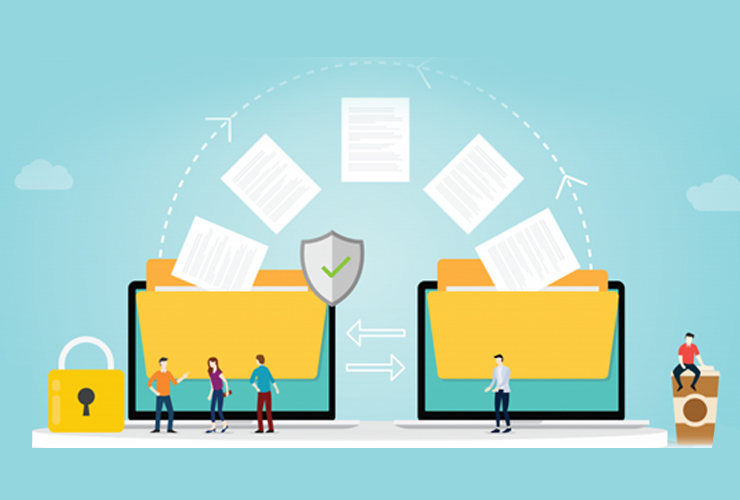
Data Migration Services emphasizes onto the process of selecting, preparing, extracting, and transforming data and permanently transferring it from one computer storage system to another. In basic terms, you can refer to it as moving data from one location to another or metamorphose it from one form into another.
Data Migration complexities can be handled with sorted out data configuration by making with ease, the consistent progress in data management, application mobility, mitigation of compliance risks, driving higher value to reach more customers without rebuilding your entire data stack.
Data migration is deemed as a difficult and tedious task due to lack of integrated processes and lack of efficient data transformation strategies.
Overcoming these hurdles and obstacles becomes critical for entrepreneurs to level up and skyrocket their businesses.

Moreover, Ntech1 is always there with its best technical and in-class support to help you vanquish data migration challenges such as:
As of today’s era, we generally have three primary types of data migration types: application migration, storage migration or database migration, and cloud migration. Let us tip off a few quick points to summarize all these types in a rather much-detailed manner.
This technical term refers to the process of moving or transferring a software application from one computer machinery or data storage device to another.
A successful software migration project involves critical overview of:
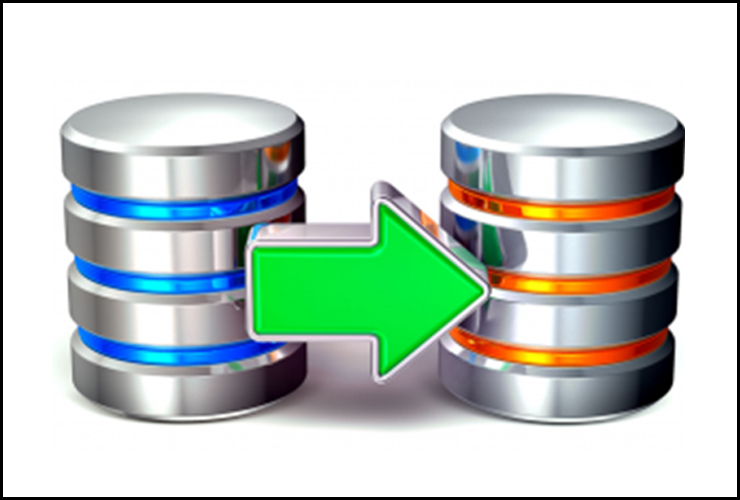
Storage Migration services usually aid in migrating data volume from the old storage unit to the current or targeted storage system without putting into usage the host – as is done when replacing a storage system. Simply put, you can move physical blocks of data from one device (disks, drives, tapes etc.) to another.
The two forms of storage migration are:

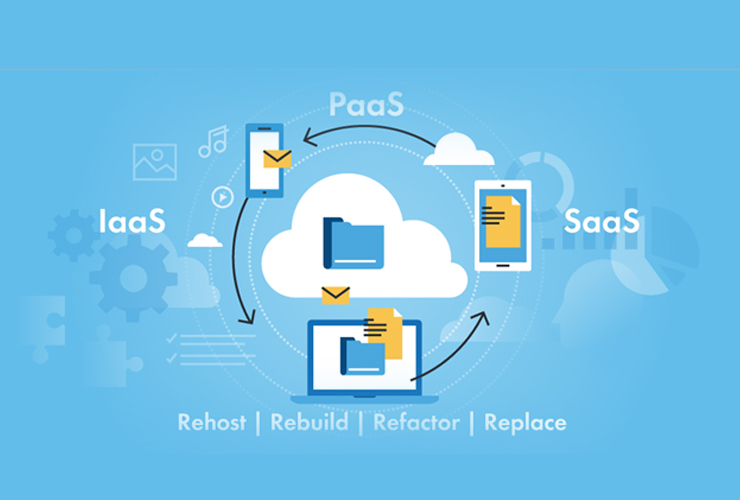
Not very different from the other two companion migration types, cloud migration emphasizes on the act of migrating data units, software applications or other business elements to the cloud environment. Nowadays, there are plethoras of available options for enterprises to choose from to undergo a potential cloud migration project.
Here, we list down the widely renowned strategies named “The six R’s approach of cloud migration”:
Whilst many service-oriented firms may provide you with considerable aid in data migration, yet we try to spare no effort in successful migration of your data in three very easy steps (The extract/transform/load (ETL) process):
Our staff specialists dealing with data migration process touch onto some brief points to reduce potential failure chances, which may otherwise shoot up due to inconsistency or a system crash:
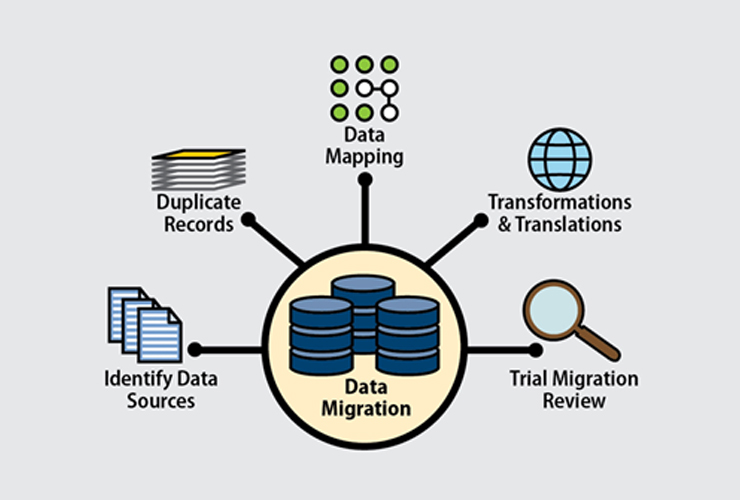
In unfortunate hands, data migration witnesses some of the biggest fails in history. Data migration disasters really suck as they may lead to cost overruns and delays. But if the necessary preparation work is done prior to starting the data migration process, you can surely keep your project well on track.
Let’s dig in to find out about some steps that Ntech1’s professionals follow to avoid such cases of data migration catastrophe:

Nowadays, the feasible provisioning of data migration services’ centers, have really helped businesses to upgrade and flourish.
Odds are high that you might be unaware of some of the coolest underlying benefits which data migration offers! This ignorance has not only kept you miles away from the truth but has also concealed many gains, which you might have otherwise availed.
We list down some of the benefits of migrating your source data:
With all these benefits known to you now, why not hire our professionals right now and get your data migrated with finest precision!